 CCTV
CCTV
Where to Put Your Cameras (and Where Most People Get It Wrong)
10 Jun 2025
We install cameras every week. And almost every time we do a site visit, the homeowner points at the same spot, the front wall, facing the street. It makes sense. You want to see who's coming. But that's usually not where the problem is.
Most break-ins in South Africa don't happen at the front. They come through the back, the kitchen door, the passage between your house and the neighbour's wall, the garden side where the vegetation's grown thick enough to hide a person. Those are the spots that matter.
The five spots we always recommend
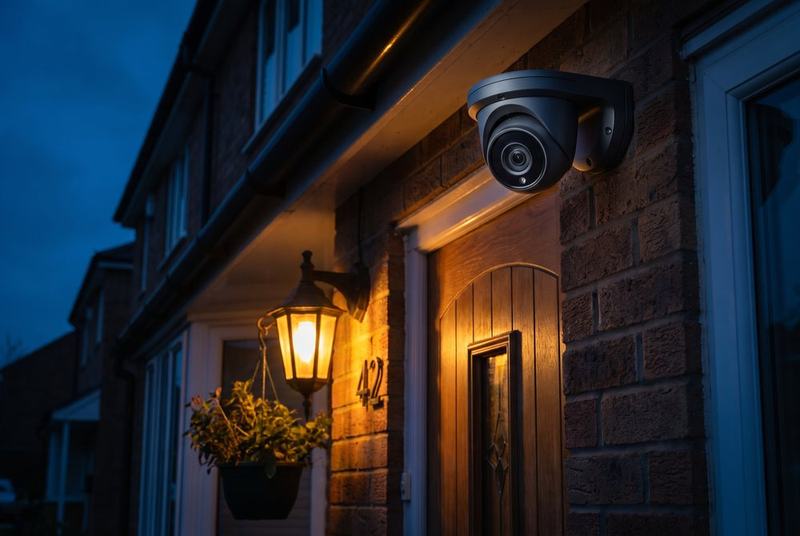
Front door: yes, still worth it. About a third of burglars walk right through the front. Put the camera at about 2.5m, angled down slightly. You want faces, not the tops of heads.
Back door / kitchen entrance: this is the one people forget. It's not street-facing, so it feels safe. It's not. We've pulled footage from back-door cameras that caught guys who'd been in and out three times before the owner even knew.
Garage and driveway: especially if your car sleeps outside. Night vision is a must here. Most vehicle-related theft happens between 1am and 4am.
Side passages: those narrow walkways between houses are basically highways for burglars. One wide-angle camera at the entrance is usually enough.
Perimeter walls: if someone's coming over your wall, you want to know about it before they're at a window. Pair these with motion lights and you've got a solid early warning system.
Quick spec check when buying cameras: make sure they've got night vision, weatherproofing (IP65 minimum, our rain and dust will kill anything less), a phone app for remote viewing, and battery backup for load shedding. If your cameras go dark every time Eskom does, they're not doing their job.
Not sure about your setup? We do free site visits, no obligation, just a walkthrough and some honest advice. Get in touch.
 Alarms
Smart Alarms vs the Old Box on the Wall: Is It Worth Upgrading?
3 Jun 2025
If you grew up in South Africa, you know the drill. Keypad by the front door. Siren on the roof. Panic button on the bedside table. That setup has been protecting SA homes for decades, and honestly, it still works. But the newer systems do a lot more.
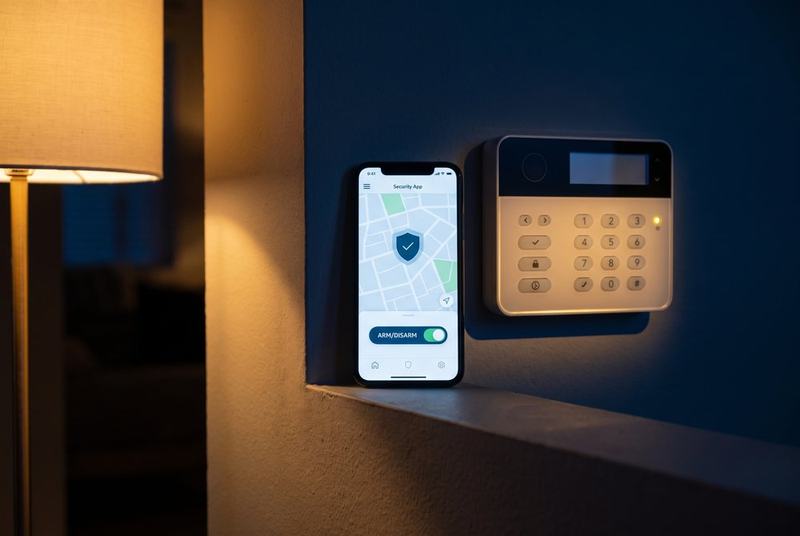
The biggest difference? Old alarms rely on a Telkom line or radio signal to talk to the control room. If the phone line's dead, which, let's be real, happens, your alarm can scream all it wants but nobody's coming. Smart alarms use SIM cards and WiFi instead. They also push alerts straight to your phone, so you know what's happening before the control room even calls.
What you get with a smart system
You can arm and disarm from your phone. Left the house in a rush and forgot to set it? Sort it from the car. You can arm just the outside zones while you're still walking around inside, handy at night when you want the perimeter locked up but don't want to trigger the lounge sensor getting a glass of water.
The false alarm thing is a big deal too. Older sensors go off when the dog walks past or the wind catches a curtain. Smart sensors are better at telling the difference between a labrador and a person. Our call-out guys appreciate that.
And if you've got cameras, electric fencing, access gates, it all talks to each other now. One app, one dashboard.
So should you rip out your old alarm?
Not necessarily. If it works and you've got armed response linked up, it's still better than nothing. But if you're putting in a new system or your old one's giving trouble, go smart. The monthly monitoring costs are about the same, and you'll wonder how you managed without the phone alerts.
Every system we install comes with battery backup as standard, load shedding won't take it offline.
 Safety Tips
10 Things You Can Do Today to Make Your Home Safer
28 May 2025
Not everything about home security costs money. Some of the most effective stuff is just about changing habits. We see the same mistakes every week on site visits, so here's the list we keep coming back to.
1. Lock your gates. Every time. We know, you're just running inside for a minute. But that's all it takes. Unlocked gates and doors are how most break-ins start in this country. Not smashed windows. Not cut fences. Unlocked doors.
2. Close the garage. An open garage is like a shop window for criminals. Tools, bikes, sometimes a car. Close it even if you're home.
3. Cut back the bushes. If there's thick vegetation under your windows, someone can crouch there for twenty minutes and nobody would see them. Keep plants below window height on the ground floor.
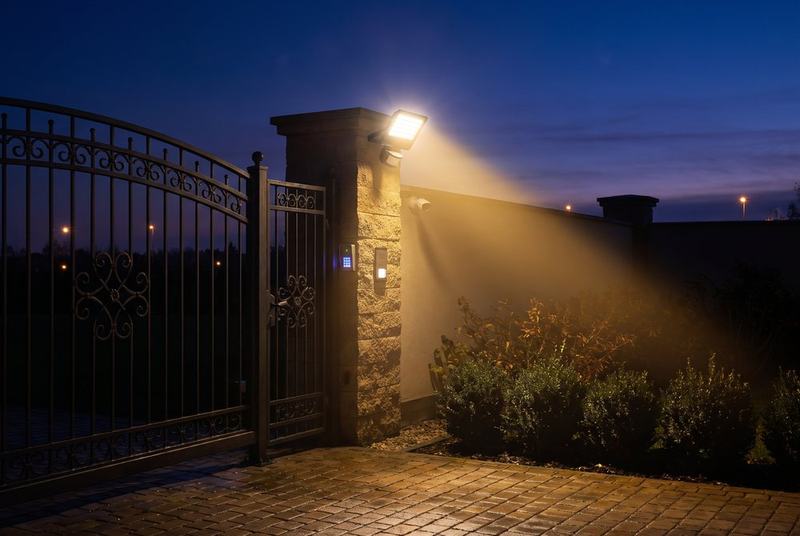
4. Stick up some motion-sensor lights. You can get solar ones at Builders Warehouse for under R300. No wiring needed. A sudden flood of light at 2am is genuinely one of the best deterrents there is.
5. Stop posting that you're on holiday. We all do it. The beach photo, the airport check-in. Post it when you get back. Your followers can wait.
6. Mix up your routine a bit. If you leave at 7:15 every morning and get home at 5:45 every evening, someone watching your house knows exactly when it's empty. Even small changes help.
7. Don't leave your laptop on the passenger seat. Or bags visible through car windows. Or anything that looks worth stealing visible through house windows. Out of sight, out of mind.
8. Talk to your neighbours. Neighbourhood WhatsApp groups, street watches, they actually work. A neighbour who knows you're away and keeps an eye out is worth more than most tech.
9. Get a dog. Doesn't have to be big. Just has to bark. Criminals don't want noise.
10. Put up security signage. Even if you haven't installed a full system yet, a sign that says "Armed Response" on your wall makes people think twice. It's not a bluff if you're planning to get the system fitted, it's just getting the deterrent working early.
None of these replace a proper alarm or camera system. But stack them together and you're already a much harder target than the house next door. Give us a call when you're ready for the next step.
 Business
Retail Theft Is Costing You More Than You Think
12 May 2025
If you run a shop in South Africa, you already know the numbers aren't great. Shoplifting, after-hours break-ins, and stock "disappearing" from the back, it all adds up. We work with retailers across the Western Cape, and the pattern is almost always the same: no cameras in the storeroom, an alarm system that hasn't been serviced in years, and staff who've never been told what to do when something looks wrong.
Cameras everywhere, including the storeroom
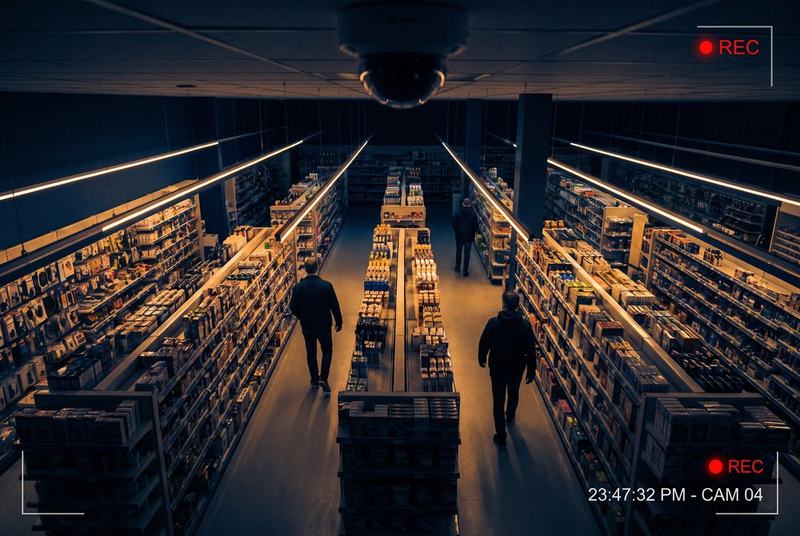
Most shop owners think about cameras on the shop floor. Fair enough. But a lot of shrinkage comes from the back. Someone in the storeroom helping themselves to stock, or someone who shouldn't be there in the first place. A visible camera on the shop floor deters the casual shoplifter. A camera in the storeroom catches the stuff you weren't expecting.
Control who goes where
If your storeroom door is just... open, you've got a problem. Electronic access control with a log is the fix. You know who went in, when, and for how long. It's not about not trusting your staff, it's about having a record when something goes missing.
After-hours alarm with response
Weekend and overnight break-ins are the big hits. A smash-and-grab at 3am with no alarm linked to armed response means the criminals have hours to clean you out. With monitoring, they've got minutes. That's usually enough to make them run before they get what they came for.
Train your people
Your staff see things you don't. Train them to spot suspicious behaviour, and more importantly, train them on what NOT to do, don't chase, don't confront, don't be a hero. Report it and let the security team handle it.
We've helped shops, warehouses, and office parks get their security sorted. If you want someone to walk your property and give you an honest assessment, that's what we do, and the first visit is free.
 Load Shedding
When the Power Goes, Does Your Security Go With It?
5 May 2025
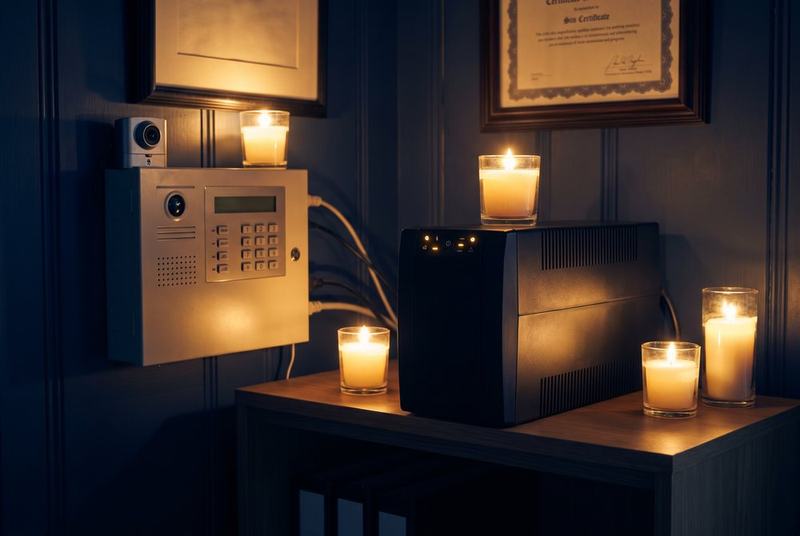
Short answer: if your system doesn't have battery backup, yes. And criminals know it. We've seen the pattern, break-in rates go up during scheduled outages, especially in suburbs that don't have private generators or community inverters. When the lights go off, the cameras go off, the alarm panel goes silent, and the electric fence drops. It's open season.
The good news is this is fixable. Here's what to check.
Your alarm panel
Every alarm panel has a battery in it (or should). It's supposed to keep the system alive when Eskom goes down. Problem is, those batteries wear out, usually after 2 to 3 years. When was the last time yours was tested? If you don't know, it's probably flat. We test and replace batteries as part of every service call.
Your cameras
Most CCTV setups run off mains power. Power goes, cameras go. The fix is a small UPS, an uninterruptible power supply, dedicated to your DVR and at least your most important cameras. We also install battery-backed and solar-powered cameras for properties that get hit with outages regularly.
Your alarm's communication
This one catches people out. Old systems talk to the control room via a Telkom landline. During load shedding, the phone exchange sometimes loses power too, so your alarm's working, but it can't tell anyone. Cellular communication (a SIM card in the panel) solves this. It works independently of the power grid.
Electric fencing
Most decent energisers have a built-in battery. But like alarm batteries, they degrade. A fence that looks live but isn't carrying charge isn't protecting anything. Get it tested.
What to do right now
Call your security company and ask them to test your backup batteries, alarm panel, cameras, fence. If you're on a Telkom line, ask about switching to cellular. And if you haven't got a UPS on your camera system, that's the single best upgrade you can make.
We're happy to come check your setup, no charge, no sales pitch, just an honest look at whether you're covered. Book a visit here.
 Patrol
We Get Asked About Patrols a Lot. Here's the Honest Answer.
28 Apr 2025
"Do I actually need patrol?" It's one of the first questions we get from estate managers and complex body corporates. The short answer is: if you've got a perimeter and common areas, probably yes. Here's why.
Cameras record. People respond.
CCTV is great, we install it every day. But a camera can't stop someone. It can watch them climb your wall, walk across your garden, and try your door. A patrol officer sees the same thing and intercepts. There's a massive difference between footage of a break-in and a break-in that never happened because someone was physically there.
The "someone's watching" effect
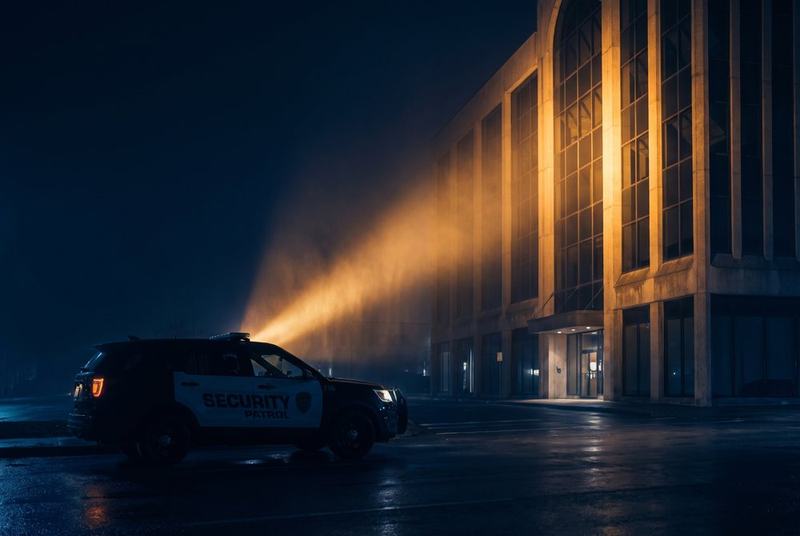
Criminals do reconnaissance. They drive through, they walk past, they check for patterns. When they see a patrol car doing unpredictable rounds, most of them move on. It's not glamorous, but visible deterrence is statistically the most effective crime prevention tool there is. People don't rob places where they think they'll get caught.
Faster response when something does happen
If a patrol officer is already in your area when an alarm goes off, response time drops from "dispatching someone across town" to "turning the corner." We've had situations where our guys were on scene in under three minutes because they happened to be two streets away. That doesn't happen with a centralised response model.
Who actually uses patrol?
Residential estates and complexes are the big one, body corporates hire us to patrol the perimeter and common areas, especially at night. Business parks and office buildings use us for after-hours cover. Shopping centres bring us in for visible daytime security. And we do event work, corporate functions, community events, anywhere that needs crowd management and access control.
What to look for in a patrol company
PSIRA registration is the minimum. Beyond that, are the officers vetted? Are the patrol routes GPS-tracked so you can verify they're actually happening? Do you get reports? We GPS-track every vehicle and every foot patrol, and we send regular reports so there's no guesswork about whether the rounds are being done.
If you're thinking about patrol for your estate or business, let's have a conversation. We'll tell you straight whether it makes sense for your situation.